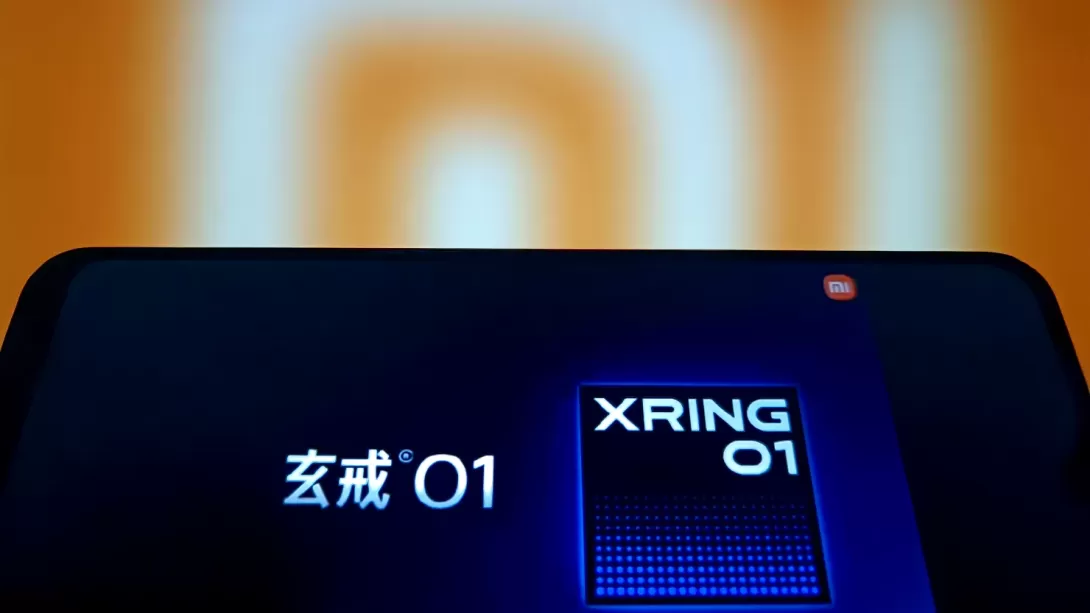
Xiaomi, one of China’s leading tech conglomerates, is intensifying its competition with Apple by unveiling the Xiaomi 15S Pro, a flagship smartphone equipped with the company’s proprietary Xring O1 chip. Priced competitively at Rs. 63,000 (5,499 yuan), it undercuts Apple’s iPhone 16 Pro and Pro Max, while qualifying for China’s state-subsidized smartphone discount. CEO Lei Jun asserts the chip outperforms Apple’s A18 Pro on key technical fronts. Simultaneously, Xiaomi is expanding its footprint in electric vehicles, with its second model—the YU7 SUV—set for launch in July. The company is also pledging Rs. 2.3 trillion toward R&D over five years, signaling its long-term strategic intent.
Xiaomi 15S Pro: Pricing and Performance as Competitive Weapons
In a bold maneuver to capture market share from Apple in the premium smartphone segment, Xiaomi has launched the 15S Pro starting at 5,499 yuan (approximately Rs. 63,000). The pricing places it well below the government’s 6,000 yuan cap for consumer subsidies, making it eligible for a discount that Apple’s higher-end models do not qualify for.
By contrast, Apple’s iPhone 16 Pro begins at 7,999 yuan (Rs. 91,600), and the Pro Max variant starts at 9,999 yuan (Rs. 1.14 lakh), excluding both from state incentives. The Xiaomi 15S Pro’s affordability, combined with its advanced features, positions it as a formidable alternative.
The Xring O1 Chip: Xiaomi’s Semiconductor Gamble
At the core of Xiaomi’s challenge is its newly launched chip, the Xring O1, which CEO Lei Jun claims rivals Apple’s A18 Pro on several key benchmarks, including thermal efficiency during intensive tasks like gaming. Although independent verification of these claims remains pending, Lei emphasized that the chip’s performance is not an attack on Apple but rather a testament to Xiaomi’s engineering progress.
The Xring O1 is based on a 3-nanometer process—matching Apple’s latest chip architecture—and is the product of Rs. 15,700 crore (13.5 billion yuan) in R&D over four years. Xiaomi began its chip development journey in 2014, launching its first processor in 2017 before temporarily shelving the initiative.
Expanding the War Chest: R&D and Future Investment
In a clear signal of long-term commitment, Lei announced that Xiaomi will invest 200 billion yuan (approximately Rs. 2.3 trillion) in research and development between 2026 and 2031. Additionally, the company has earmarked a minimum of 50 billion yuan (Rs. 5.7 trillion) over the next decade specifically for semiconductor development.
These investments underline Xiaomi’s strategic pivot toward vertical integration and advanced tech development, amid tightening U.S. export restrictions that limit China’s access to high-end chipmaking tools.
Electric Vehicle Strategy: From SU7 to YU7
Xiaomi is not limiting its ambition to smartphones and semiconductors. The company has ventured into the electric vehicle (EV) sector with the SU7 sedan and plans to release its first SUV, the YU7, in July. While pricing for the YU7 has yet to be disclosed, Lei shared that it will feature Snapdragon and Nvidia Thor chips and offer a driving range of up to 835 kilometers.
Despite a temporary dip in deliveries—from over 29,000 in March to 28,000 in April—following a fatal SU7 accident, Xiaomi remains committed to its automotive strategy. Regulatory pressure has since increased, with authorities mandating conservative marketing for driver-assist technologies.
Financial Outlook and Global Presence
Xiaomi’s broader financial health remains robust. In March 2025, the company reported record-high revenue and net income for the previous fiscal year. Its first-quarter results for 2025 are scheduled to be released on May 27.
International markets remain critical to Xiaomi’s growth strategy, with 42% of the company’s total revenue in 2024 generated from overseas sales. Investors appear optimistic—Xiaomi’s share price has surged over 50% year-to-date.
Conclusion: A Multi-Front Offensive in Tech and Mobility
Xiaomi’s efforts reflect a well-calibrated strategy to disrupt entrenched players like Apple and Tesla across multiple verticals. By coupling competitive pricing with proprietary technology and expanding aggressively into EVs, Xiaomi is transforming from a mid-range smartphone brand into a diversified global tech powerhouse. With massive investments in R&D and a growing product ecosystem, the company’s next chapter appears to be driven as much by innovation as by ambition.
Comments