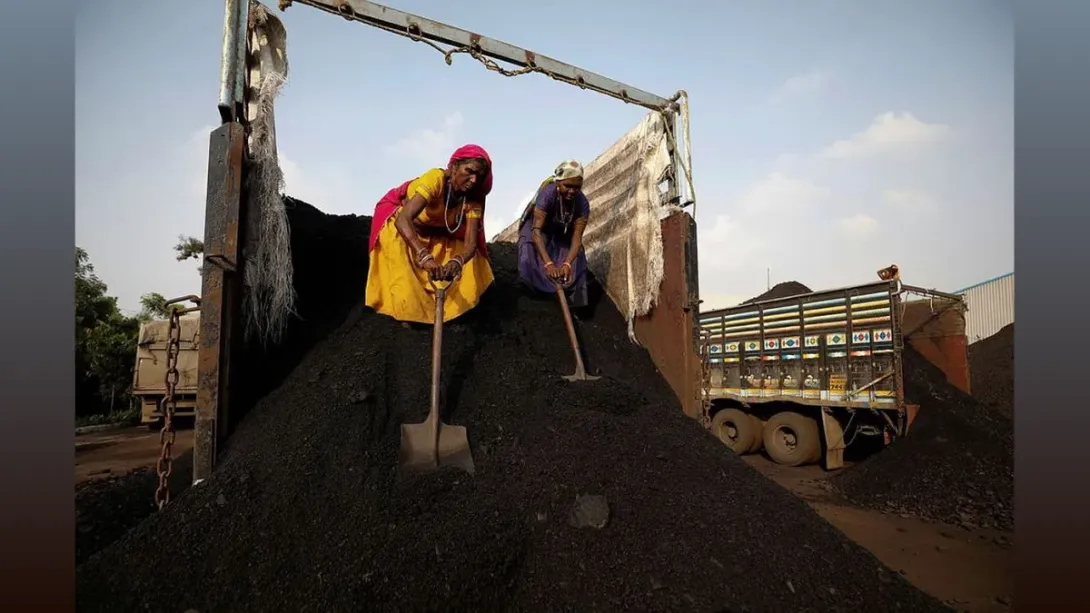
Coal India Ltd (CIL), the state-run mining behemoth, recorded an 8.7% year-on-year decline in coking coal output in May 2025, producing 4.53 million tonnes. This drop comes as the Indian government intensifies efforts under its "Mission Coking Coal" to boost domestic supply and reduce reliance on imports. With the steel sector heavily dependent on coking coal, which remains essential for metallurgical processes, the government aims to ramp up local production to 140 million tonnes by 2029–30. Meanwhile, energy transition efforts continue with increased emphasis on coal washing, cleaner technologies, and utilization of domestic resources.
CIL’s Coking Coal Output Slides in May
Coal India Ltd, which contributes more than 80% of India’s overall coal output, reported a notable decline in coking coal production in May 2025. Output stood at 4.53 million tonnes (MT), down from 4.96 MT during the same period last year—an 8.7% reduction. The dip extends to the cumulative April–May period as well, with production reaching 9.36 MT, down 3.4% from 9.69 MT a year ago.
This contraction comes at a time when the Indian government is prioritizing the reduction of coking coal imports, signaling a mismatch between current output levels and future strategic objectives.
Mission Coking Coal: Reducing Import Dependency
Recognizing the critical role of coking coal in steel production, the central government has launched "Mission Coking Coal," a long-term initiative aimed at enhancing domestic supply. The mission targets an ambitious 140 million tonnes of domestic coking coal output annually by FY 2029–30. This would mark a major leap from current production levels and could significantly reduce the sector's dependence on foreign supply.
Coking coal, or metallurgical coal, is a key input in blast furnace operations for steelmaking. Given India's infrastructure expansion and manufacturing ambitions, the domestic steel industry is projected to grow rapidly, escalating the urgency to secure reliable and sustainable coal inputs.
Role of Subsidiaries and Infrastructure Bottlenecks
Coal India’s subsidiaries Bharat Coking Coal Ltd (BCCL) and Central Coalfields Ltd (CCL) are primarily responsible for coking coal output. BCCL, in particular, plays a specialized role due to its strategic focus on metallurgical coal. However, capacity limitations, aging infrastructure, and logistical inefficiencies continue to challenge the scaling of production.
Addressing these structural issues will be essential if India is to meet its domestic production targets. Strategic investments in technology, modern mining practices, and transport infrastructure will likely play a pivotal role in closing the supply-demand gap.
Quality Challenges and Coal Washing Initiatives
One of the pressing hurdles in using indigenous coking coal is its relatively high ash content, which makes it less suitable for direct use in steel plants. In response, both coal producers and steel manufacturers are scaling up coal washing capacities. These facilities reduce impurities, thereby enhancing the fuel's efficiency and suitability for metallurgical applications.
The government is also promoting the use of stamp-charged coke oven batteries—a technology that enables higher utilization of lower-grade domestic coal in steel manufacturing, reducing the sector’s reliance on higher-quality imports.
Import Trends: A Symptom of Supply-Quality Mismatch
India’s dependence on imported coking coal remains substantial. In the previous fiscal year, imports stood at 57.58 million tonnes, underscoring the significant shortfall in both quantity and quality of domestically available coal. Imports are primarily used to fill the demand gap and ensure higher consistency in metallurgical performance.
While imports provide short-term relief, they also expose the steel sector to global price volatility and supply chain disruptions—risks the government seeks to mitigate through long-term self-sufficiency goals.
Policy Outlook and Industry Imperatives
India’s energy and industrial policy increasingly reflects the need to reconcile sustainability with growth. Coking coal, though a carbon-intensive fuel, remains indispensable for steel production until green hydrogen-based alternatives become commercially viable at scale. As such, optimizing the domestic coal value chain—through increased output, quality enhancement, and cleaner combustion technologies—remains a cornerstone of current policy.
Coal India’s recent production dip, while concerning in the short term, may serve as a wake-up call for accelerated reforms in mining efficiency, project execution, and public-private collaboration in the coal and steel sectors.
Conclusion: Aligning Production with Policy Ambitions
The dip in Coal India’s coking coal production highlights the persistent challenges in India’s quest for resource self-reliance. As the government continues to press forward with "Mission Coking Coal," addressing capacity bottlenecks, upgrading quality standards, and minimizing import reliance will be critical. With infrastructure, policy, and private sector cooperation aligned, India’s vision of a domestically secured steel sector is achievable—but time and execution will determine the pace of that transformation.
Comments