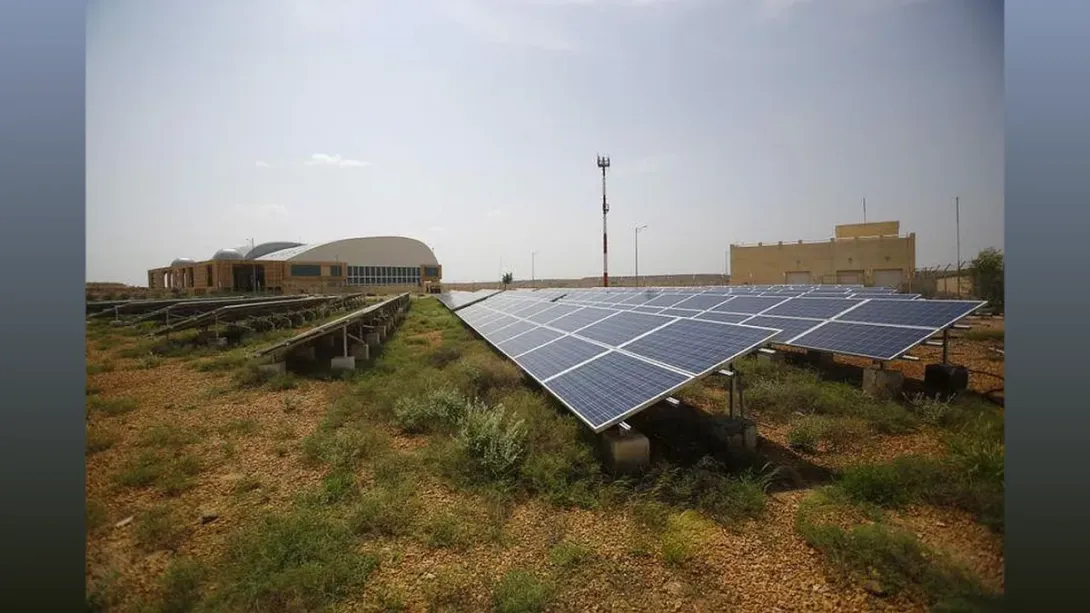
Juniper Green Energy has successfully commissioned a 43 megawatt-peak (MWp) solar power project in Maharashtra, strengthening India’s rapidly expanding renewable energy sector. This addition to the company’s solar portfolio reinforces its strategic focus on delivering clean energy to support industrial and commercial demand across the country. The project aligns with India’s long-term energy transition goals and showcases private sector commitment to decarbonization. As demand for sustainable electricity surges, particularly in high-consumption states like Maharashtra, Juniper Green Energy’s deployment marks a timely and significant step in supporting grid stability and the country’s broader green ambitions.
---
Project Overview: A Strategic Deployment in Maharashtra
Juniper Green Energy’s latest solar initiative—a 43 MWp capacity plant—has been commissioned in Maharashtra, a state critical to India's energy ecosystem due to its high industrial load and urban demand. The project leverages photovoltaic technology optimized for efficiency and local environmental conditions, ensuring maximum energy yield and long-term reliability.
This development is part of Juniper’s broader effort to scale solar capacity across India, especially in regions with favorable sunlight exposure and supportive regulatory frameworks. With this commissioning, the company further cements its position among the key players contributing to India's renewable energy transition.
---
Strengthening India’s Renewable Energy Capacity
India has set ambitious clean energy targets, aiming to reach 500 GW of non-fossil fuel capacity by 2030. Projects like this not only push the country closer to that goal but also play a crucial role in balancing the national grid while reducing emissions from conventional energy sources.
Juniper Green Energy’s Maharashtra plant will generate enough power to offset thousands of tonnes of CO₂ emissions annually. By supplying clean electricity to commercial and industrial consumers, the project helps reduce reliance on thermal power, which still accounts for a significant portion of the state’s energy mix.
---
Supporting Industrial Decarbonization
With sustainability becoming a top priority for corporations across sectors, access to reliable green energy is now a competitive advantage. Juniper Green Energy’s 43 MWp facility addresses this demand directly, enabling industrial users to adopt clean power without compromising operational continuity.
The project offers tailored power purchase agreements (PPAs) that cater to energy-intensive sectors seeking long-term price stability, ESG compliance, and enhanced energy security. By positioning itself as a renewable energy partner for businesses, Juniper is creating a sustainable revenue model while contributing to India’s industrial decarbonization journey.
---
Regulatory and Economic Significance
Maharashtra's forward-leaning renewable energy policies, coupled with rising investor interest, have created a favorable environment for solar investments. The commissioning of this project underscores the confidence that developers like Juniper have in the state’s infrastructure, policy support, and power evacuation capabilities.
Moreover, such projects generate local employment during construction and maintenance phases and stimulate ancillary industries—further boosting regional economic activity. The strategic location and scalability potential of the project make it a cornerstone in Juniper’s long-term energy blueprint.
---
A Broader Commitment to Sustainability
This solar project is part of Juniper Green Energy’s larger pipeline of over 1 GW in operational and under-construction assets. The company’s roadmap focuses on scaling utility-scale solar and wind energy projects, complemented by hybrid and energy storage solutions to ensure consistent renewable energy delivery.
Juniper’s approach highlights the evolving nature of energy infrastructure in India—from traditional grid-tied systems to dynamic, customer-oriented renewable networks. As the firm continues to commission new projects, it is expected to play a pivotal role in accelerating India’s clean energy transition.
---
Conclusion:
Juniper Green Energy’s commissioning of a 43 MWp solar power project in Maharashtra represents both a tactical business move and a symbolic commitment to a cleaner energy future. It demonstrates how private capital, when aligned with national policy goals and industrial needs, can drive meaningful change. As India deepens its focus on energy security and environmental sustainability, initiatives like these are shaping the blueprint for an economically viable, ecologically sound power sector.
Comments