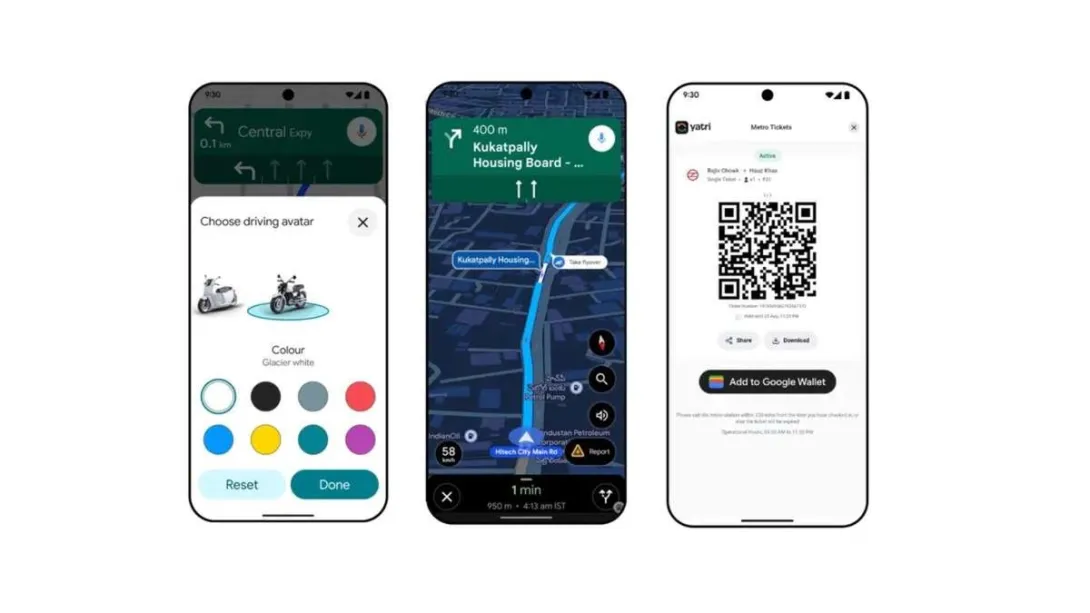
Google has introduced a set of “India-first” features to enhance navigation, safety and travel planning for millions of users across the country. Designed specifically for India’s dynamic transportation landscape, the new tools focus on real-time traffic insights, improved public transit data, fuel and toll cost estimates and enhanced safety alerts. The rollout underscores the tech giant’s strategic emphasis on India as a priority market, blending AI-powered intelligence with localized user needs. As digital adoption accelerates and road infrastructure evolves, these updates aim to deliver a more intuitive, accurate and safer mapping experience for drivers, commuters and travellers nationwide.
Google Prioritizes India With Tailored Mapping Upgrades
Reaffirming India’s position as a core innovation hub, Google announced new India-centric upgrades to Google Maps, reflecting the nation’s growing digital mobility ecosystem. With millions relying on navigation apps for daily commuting and long-distance travel, the enhancements are poised to boost navigation efficiency and user safety across both urban and rural regions.
The updates demonstrate Google's continued investment in India’s technology landscape, tailoring features based on user behaviour patterns, infrastructure diversity and local travel challenges.
Real-Time Traffic and Cost Intelligence
Among the highlight features is real-time guidance for fuel and toll expenditure. Users planning road trips or regular commutes can estimate travel costs in advance, enabling more informed decisions based on budget and route preference. This tool aligns with rising fuel prices and increasing car ownership across metro and tier-II cities.
Additionally, enhanced live traffic analytics and improved route recommendations promise more accurate travel times, providing commuters with reliable alternatives during peak congestion hours.
Strengthened Public Transport Experience
The new rollout also enriches public transit support, offering real-time bus location updates, detailed metro and rail guidance and multi-modal journey options. With many Indian cities witnessing rapid expansion of mass transit systems, these features aim to streamline daily travel for millions of passengers who depend on shared transport.
Users can now access more precise arrival times and route suggestions, improving efficiency during peak hours and easing first-mile and last-mile connectivity challenges.
Safety Features for Indian Roads
To address road safety concerns, Google has integrated improved safety alerts, including warnings for accident-prone zones and areas with frequent traffic violations. With India registering some of the highest road accident figures globally, the feature is expected to support safer travel decisions and promote awareness during navigation.
The system is powered by AI-driven data analysis and community feedback, building a collaborative safety-monitoring ecosystem.
Supporting India's Mobility Future
Industry analysts observe that these updates strengthen Google’s foothold in India’s competitive digital mobility market. As infrastructure modernizes and automotive technology advances, mapping platforms have become essential tools for daily commuting, logistics operations and tourism.
By prioritizing India-first innovations, Google reinforces its commitment to serving one of the world's most diverse transportation landscapes, where users demand accurate navigation, financial transparency and safety intelligence.
Comments