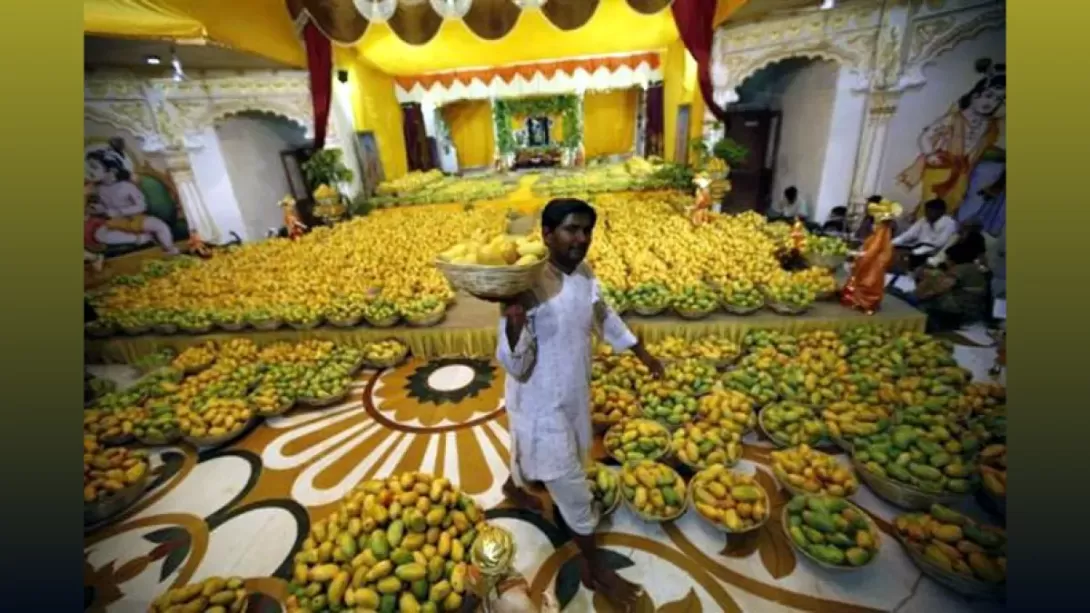
India’s mango landscape is witnessing a renaissance as traditional and nearly-forgotten varieties like Husnara, Ratol, and Totapari regain popularity among consumers and cultivators alike. This resurgence reflects changing consumer preferences seeking diverse flavors beyond the long-standing dominance of Dussehri, Chausa, and Safeda. Mango growers in Uttar Pradesh’s Malihabad region and beyond are increasingly investing in these heritage cultivars, driven by higher market prices and renewed demand. However, challenges such as rising production costs and counterfeit pesticides threaten farmer profitability, underscoring the need for regulatory support to sustain this revival.
Heritage Mango Varieties Make a Resounding Comeback
The Indian mango market, long monopolized by a handful of popular cultivars, is undergoing a transformative shift. Once sidelined by commercial trends, traditional varieties such as Husnara, Totapari, Ratol, Langda, and Surkha Matiyara are enjoying renewed attention from both growers and discerning consumers. This shift is particularly evident in Malihabad, Uttar Pradesh—renowned for its iconic Dussehri mango—which is now seeing a diversification of mango orchards.
Insram Ali, president of the All India Mango Growers Association, highlights that about half a century ago, multiple varieties flourished alongside Dussehri due to consumer appreciation for varied flavors. Over time, however, market forces consolidated around a few dominant cultivars. The current resurgence signals a growing appetite for distinct tastes and aromatic profiles that these heritage varieties offer.
Economic Incentives Driving Cultivation Choices
Farmers are responding to evolving market preferences by expanding acreage under these revived cultivars, motivated by their superior price points. Whereas conventional varieties like Dussehri and Safeda fetch Rs 40–60 per kilogram, heritage varieties command between Rs 80 and Rs 120 per kilogram in contemporary markets. This significant premium incentivizes producers to diversify their orchards.
Pervez Khan, a prominent mango grower from Lucknow, manages around 25 bighas cultivating over 20 mango varieties, including Gilas, Johri Safeda, Khaas-ul-Khaas, and the aromatic Ratol. He reflects on the cyclical nature of demand: “We had to cut down many trees of rare varieties decades ago due to lack of market interest, but now connoisseurs are rediscovering and appreciating these unique flavors.”
Ratol Mango: A Case Study in Revival and Global Reach
The Ratol mango, native to Baghpat district’s Ratol village, epitomizes this revival. Known for its intense aroma and sweet flavor, Ratol’s prominence waned before being reintroduced internationally through the efforts of the late Merajuddin Ahmed, a former state cabinet minister who showcased the fruit across major global markets such as the United States, China, and the Middle East.
Today, Ahmed’s son, Faiz Mahmood, continues to promote Ratol on the global stage. “The fragrance of Ratol is unmistakable, attracting mango lovers far and wide. We are committed to sustaining its legacy and expanding its international footprint,” he says.
Production Challenges and Call for Institutional Support
Despite growing output—Uttar Pradesh is projected to produce approximately 3 million metric tonnes this year, up from 2 million tonnes last year—mango farmers face mounting challenges. Rising costs of inputs, particularly pesticides, have eroded profit margins. Insram Ali notes that counterfeit pesticides have forced growers to increase application volumes, escalating expenses from Rs 10,000 to nearly Rs 20,000 per bigha for genuine products.
With average returns around Rs 40,000 per bigha, farmers’ net profits have declined significantly from Rs 30,000 to approximately Rs 20,000–22,000, squeezing margins in an already volatile agricultural sector.
Ali advocates for urgent government intervention to establish dedicated laboratories for pesticide verification and disease diagnosis to safeguard both farmer interests and crop health. “Repeated complaints regarding fake pesticides have not elicited action. A robust regulatory framework is essential to sustain the momentum of this mango renaissance,” he asserts.
Conclusion: A Blossoming Future Hinged on Sustainable Support
The revival of India’s heritage mango varieties reflects broader consumer trends favoring diversity, quality, and authenticity. This shift not only enriches the cultural tapestry of Indian horticulture but also offers economic opportunities for farmers willing to diversify their orchards.
Sustaining this revival, however, demands concerted efforts from policymakers, agricultural scientists, and supply chain stakeholders. Addressing challenges such as counterfeit inputs and rising costs will be crucial to ensuring that the resurgence of varieties like Husnara and Ratol translates into lasting prosperity for India’s mango growers.
Comments