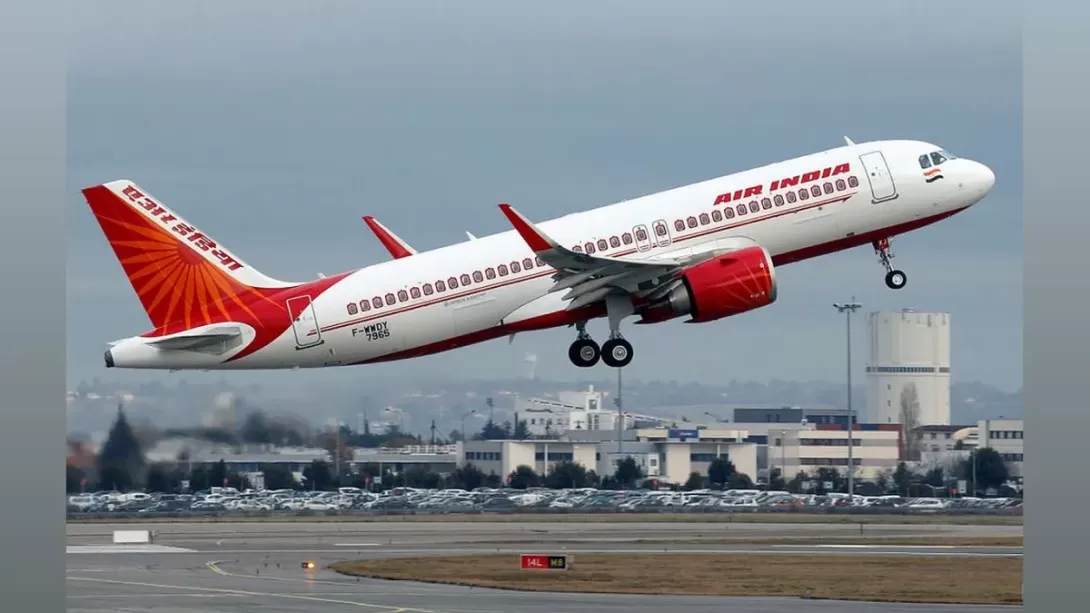
An Air India flight bound for New Delhi from Hong Kong made an unscheduled return to its point of origin on Monday following a suspected technical issue identified by the pilot-in-command. The aircraft departed at 12:16 p.m. local time and was scheduled to arrive in Delhi around 12:20 p.m. IST. As a precautionary measure, the crew opted to divert back to Hong Kong. The aircraft landed safely, all passengers disembarked without incident, and technical teams have initiated a comprehensive inspection. While no injuries were reported, the incident raises ongoing concerns around operational reliability and aircraft maintenance protocols.
Mid-Air Turnaround Triggered by Safety Protocols
An Air India flight en route from Hong Kong to New Delhi was compelled to reverse course and return to Hong Kong shortly after takeoff on Monday. Sources close to the matter revealed that the pilot detected a potential technical anomaly mid-flight and made the call to abort the journey as a safety precaution. The nature of the technical issue remains undisclosed, pending a full engineering assessment.
The decision to return aligns with standard aviation protocols which prioritize passenger and crew safety above all else. Airlines typically instruct pilots to err on the side of caution when instrumentation or onboard systems flag irregularities, especially during long-haul international routes.
Safe Landing and Passenger Disembarkation
The aircraft landed safely back in Hong Kong, where all passengers were able to disembark in an orderly manner. No injuries or medical incidents were reported. Airline ground staff facilitated the deboarding process and assisted passengers with logistical concerns while the aircraft was taken out of service for immediate technical inspection.
Although the disruption may have caused inconvenience to travelers, Air India is expected to arrange alternate accommodations or rerouting options. The airline has not yet issued a formal statement, but internal reports suggest that customer support teams are actively engaged with affected passengers.
Technical Evaluation Underway
As of Monday evening, the aircraft remained grounded at Hong Kong International Airport undergoing thorough diagnostics by maintenance crews. Aviation regulators typically require airlines to file incident reports detailing the specifics of in-flight anomalies, particularly when they lead to course deviations or emergency landings.
In recent years, Air India has invested in maintenance upgrades and fleet overhauls as part of its broader modernization strategy. However, such incidents highlight the continuous challenges airlines face in maintaining aging aircraft and ensuring reliability amid high operational demand.
Broader Context: Operational Safety and Passenger Confidence
While this event concluded safely, it underscores the high stakes involved in aviation safety management. Mid-air turnbacks are uncommon but not unprecedented. When they occur, they serve as reminders of the complexity of modern air travel and the critical importance of real-time decision-making by flight crews.
Passengers often gauge airline credibility not merely by on-time performance but also by how effectively the carrier manages emergencies. In this case, the safe return and prompt disembarkation are indicative of professional handling by the cockpit and ground teams.
Air India, now under the Tata Group’s stewardship, has been actively working to restore brand reputation and service quality. The incident may prompt renewed scrutiny of its technical review processes, but it also presents an opportunity for the airline to demonstrate transparency and resilience in its customer communication strategy.
Conclusion
The safe return of the Hong Kong-Delhi Air India flight exemplifies aviation’s unwavering focus on passenger safety, even at the cost of operational disruptions. While the precise technical fault remains under investigation, the crew’s proactive response averted a potentially more serious outcome. As the carrier continues to modernize its fleet and bolster maintenance systems, such episodes—though rare—serve as important case studies in the enduring commitment to airworthiness and public trust.
Comments